Skip to content
Satisfy
Satisfy

Common problems with foundation and waterproofing work

What tends to go wrong, what it usually points at, and what your options are when a contractor won't put them right.

Water that returns after a sealed system

Interior drainage manages water; it doesn't stop it. Where the sale was made on the promise of a dry basement, the gap between what was said and what was installed is usually the dispute.

What proves it
Dated photographs or video of water in the same place after the work, plus the contract's description of what the system was supposed to do. A waterproofing contract usually states an outcome, which is unusual and useful.
What the business usually says
That the water is coming from a new source, or that grading outside is the cause. A written scope that promised a dry basement is answerable against a wet one, and a second opinion identifies the source.
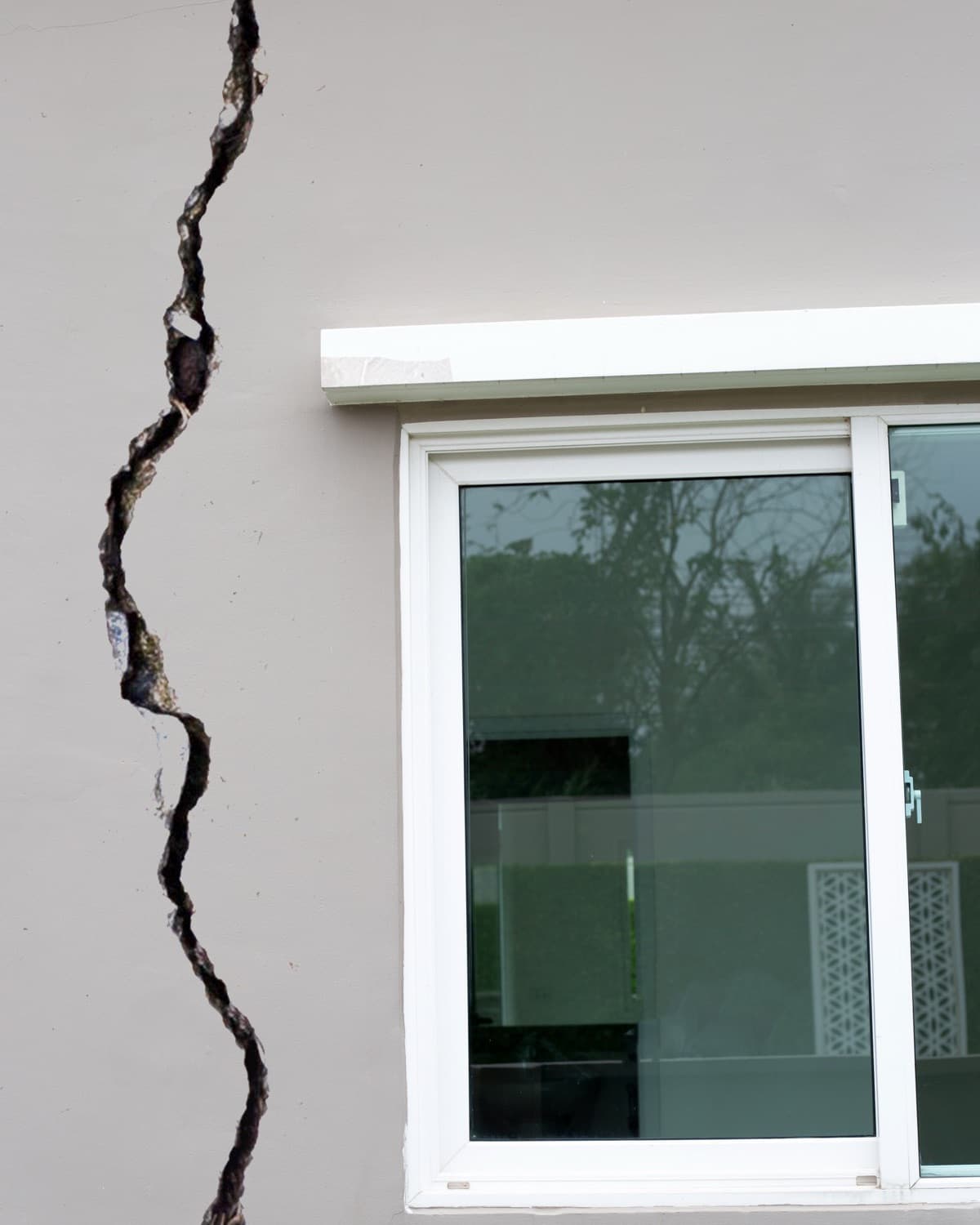
Movement that continues after piering

Piers have to reach load-bearing strata to do anything. Depth records and engineering sign-off are what separate a design problem from a workmanship one.

What proves it
Crack monitoring over time, with dated measurements, and the engineer's report the piering plan was based on. Movement is measurable, which makes this one of the few structural arguments with real numbers in it.
What the business usually says
That some movement is expected. Then the expected range was specified somewhere, and continued movement can be measured against it.

Warranties tied to a company that dissolved

Lifetime warranties in this trade are common and are only worth the entity behind them. A company that reformed under a new name is a frequent pattern.

What proves it
The warranty document and the company's status in the state's business register, which is public. Whether a transferable warranty or a bond stands behind the work is answerable from the paperwork.
What the business usually says
That the warranty ended with the company. Sometimes true, and sometimes not: a surety bond, a manufacturer backed warranty or a successor entity can each survive the original contractor.

Before you do anything else

What to gather

  • The signed contract and the scope, including any performance promise
  • The engineer's report the work was based on
  • The warranty document and its transfer terms
  • Dated photographs and crack measurements over time
  • Any bond or manufacturer backing named in the paperwork
  • The contractor's current status in the state business register

The part nobody tells you

Some of this expires

Most ways of putting pressure on a business run on a clock that starts at the work, not at the argument. These are the ones that shut first.

Chargeback
About 4 months. Your bank reverses the payment.
Financing unwind
About 12 months. The lender wears the claim, not you.
Manufacturer certification
About 24 months. Their certification goes under review.
Surety bond
About 24 months. The bond pays out against them.

See where you are on the clock for all ten routes.

What to do about it

Document what you were promised and what you got, keep every invoice and message, and photograph everything before anyone “fixes” it. Whatever route you take from there, whether talking to the business yourself, a licensed attorney, or us, the case rests on that record.

What this page covers

We're a consumer advocate, not a law firm, and this page is general information rather than guidance about your situation. It is here so you can recognize your own case in it and see what usually moves one. If yours needs an attorney, we say so and hand off, taking nothing for the introduction.

More on foundation and waterproofing disputes we take on, or how the process works.

Dealing with one of these?

Tell us what happened and we'll tell you whether it's something we can help with.