
Windows, siding, and exterior remodeling disputes
New windows went in and water is still getting through.
Tell us what was installed and we'll take it from here.
What is still open on window and siding work?
10 ways to put pressure on the other side, and they do not all close at the same time. Tell us roughly when this started.
See which ones apply to you- Chargeback4 mo
- Financing unwind12 mo
- Manufacturer certification24 mo
- Insurance channel12 mo
- Surety bond24 mo
- Licensing board48 mo
- Small claims48 mo
- File a lawsuit48 mo
- Recovery fund24 mo
- Public recordno deadline
What does it cost to sort out window and siding work?
Most of what follows you can do yourself, and the parts that cost nothing are first for a reason.
Start free, today
A demand letter you can fill in, and a plain guide to small claims where you live. No account, no cost.
Finding out costs nothing
Tell us what happened and hear where you stand. If we do not think we can move the business, we say so.
One cost, paid once
Asked for after we have reviewed your file and shown you the figure, and before any work starts. Nothing after it.
We take no share
No percentage of what you get back. A recovery is paid to you by the business, and never passes through us.
The routes that bite hardest in windows & siding.
Manufacturer certification
Window and siding manufacturers certify installers, and the product warranty commonly depends on the install following their instructions. A bad install is their problem as well as yours.
Financing unwind
Exterior remodelling is one of the most heavily financed trades at the door. The FTC Holder Rule can attach the seller's liability to the lender.
Licensing board
The work is licensed in most states and usually needs a permit. A board can review a license over water intrusion caused by how an opening was flashed.
Surety bond
A licensed contractor is usually bonded, and a bond claim does not need the contractor to co-operate.
Where window and siding work actually goes wrong.
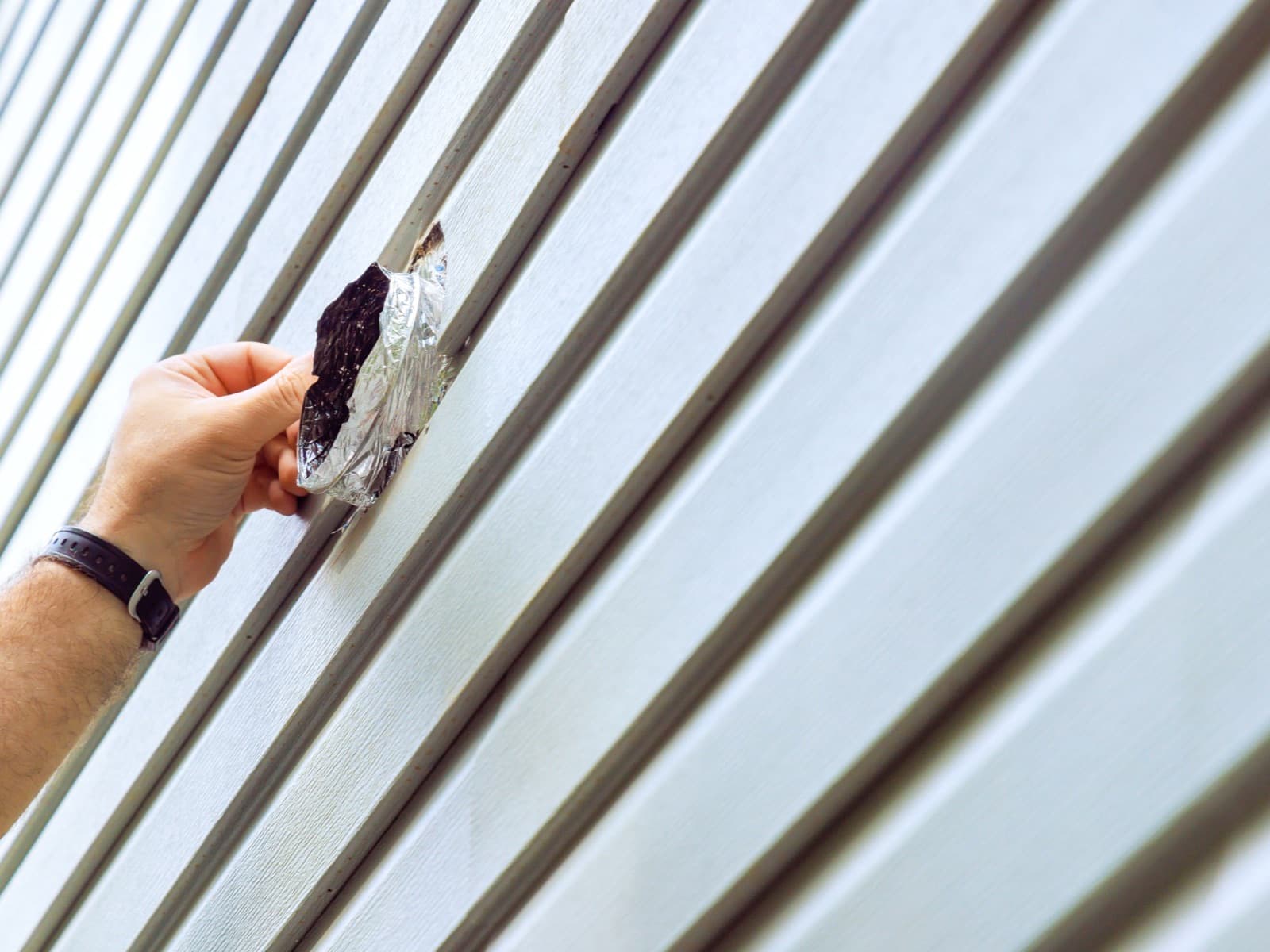
Flashing and sealing at the opening
Almost every new-window leak starts here. Sill pans, flashing tape and the order the layers go on all matter, and all of it disappears the moment trim is fitted.
Manufacturers publish installation instructions. A leak traced to a departure from them is a workmanship question with a written standard behind it.
What was behind the old siding
Tearing off exposes sheathing. Rot is supposed to be replaced, and covering it is faster, cheaper and undetectable until the damage spreads.
Tear-off photographs are usually the only evidence this ever happened, which is why the ones taken during the job matter more than any taken since.
The house wrap and the drainage plane
Siding is a rain screen, not a seal. Water that gets past it is supposed to drain, and a wrap installed in the wrong order or lapped upward traps it against the sheathing instead.
This is why a leak can appear years later and a long way from where the water actually entered.
The product line that was delivered
A different line in the same color is the substitution least likely to be noticed. Glass package, frame profile and warranty term all differ between tiers.
Order confirmations and the labels on the units make this provable. What was fitted either matches the contract or it does not.
Measurement and fit
Replacement windows are made to measure. Units ordered wrong get packed out with foam and trim, which looks finished and moves the weather seal to the wrong place.
Visible from inside once the stops come off, and measurable against the order.
The permit and the warranty registration
Many jurisdictions require a permit for window replacement, and most manufacturers require registration for the extended term. Both are the contractor's job and both are invisible if skipped.
Checkable with the county and with the manufacturer, using records neither the contractor nor you control.
The three we see most.
All of it, on window and siding workLeaks at new window openings
Flashing and sealing at the opening is where almost all of these originate. It is also invisible once trim goes on, which is why photographs during installation matter so much.
Siding installed over unrepaired sheathing
Covering rot rather than replacing it is faster, cheaper, and undetectable until the damage spreads. Tear-off photos are usually the only evidence.
Substituted product lines
Order confirmations and product labels are what make this provable. A different line in the same color is the substitution most likely to go unnoticed.
What happens if you start today.
The same day
You send us the contract, the order confirmation, the invoice and any photographs from during the work. Pictures of the window labels help.
Before we ask you for anything
We pull the permit record, check the license and bond, check the warranty registration with the manufacturer, and compare what was delivered against what was ordered.
Then you get a straight answer
Where the water is actually coming from, which routes are open, and which one we would use first. Including when we do not think it is worth pursuing.
After that it is ours
The correspondence with the contractor and the manufacturer, and the escalation, with the file kept up to date.
We'll have windows & siding already selected.
Questions people ask us first.
The contractor says the leak is condensation, not installation. Who is right?
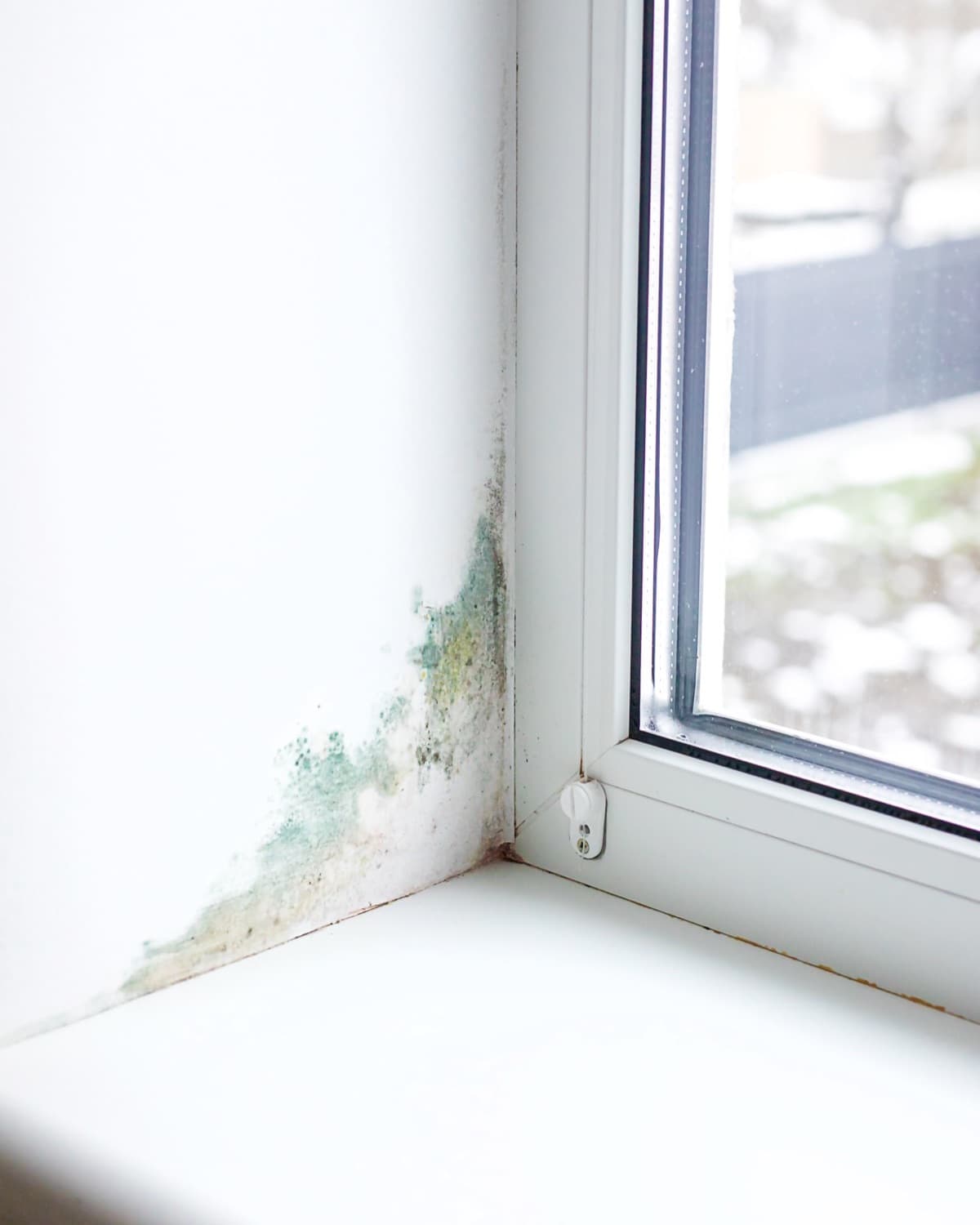
They are genuinely different things and the difference is diagnosable. Where the water is appearing, and when, is usually enough to tell them apart.
I only found out about rot under the siding years later. Is it too late?
Not necessarily. Several routes measure from the work rather than from discovery, but a board complaint window and the public record run much longer than the fast ones.
How would I prove they covered damage rather than repairing it?
Photographs from during the tear-off, the contract's scope for sheathing repair, and what the invoice charged for. Often the invoice is the clearest of the three.
The windows are a different line than I ordered. Does that matter if they work?
It matters. Tiers differ in glass package, frame and warranty term, and you paid for a specified product rather than an equivalent one.
I financed it at the door. Does that change anything?
It can improve your position. Where a sale is financed the lender can inherit the seller's liability, and the lender is still collecting from you.
Are you a law firm?
No. We are a consumer advocacy service. We prepare and pursue your advocacy file and correspond with the business on your behalf. We do not represent you in court, and if your situation needs an attorney we tell you and hand off the materials.
Disclosures
- Satisfy is not a law firm and is not a licensed insurance adjuster or public adjuster. We prepare and pursue your file and correspond with the business on your behalf; a court filing or an insurance claim is made by you, or by an independent professional you engage, using the materials we assemble. We do not represent you in litigation, arbitration, or an insurance claim.
- The windows shown on this page are illustrative for the kind of dispute selected, measured from the work rather than from the dispute. They are an estimate and not a legal opinion. Yours depend on your contract, your policy, your card issuer's rules and your state's law, and some will already have closed. We do not guarantee that any route is still open to you.
- What goes wrong with window and siding work is described here in general terms. It is not an assessment of your own job and it is not technical advice about whether any particular work was done correctly.