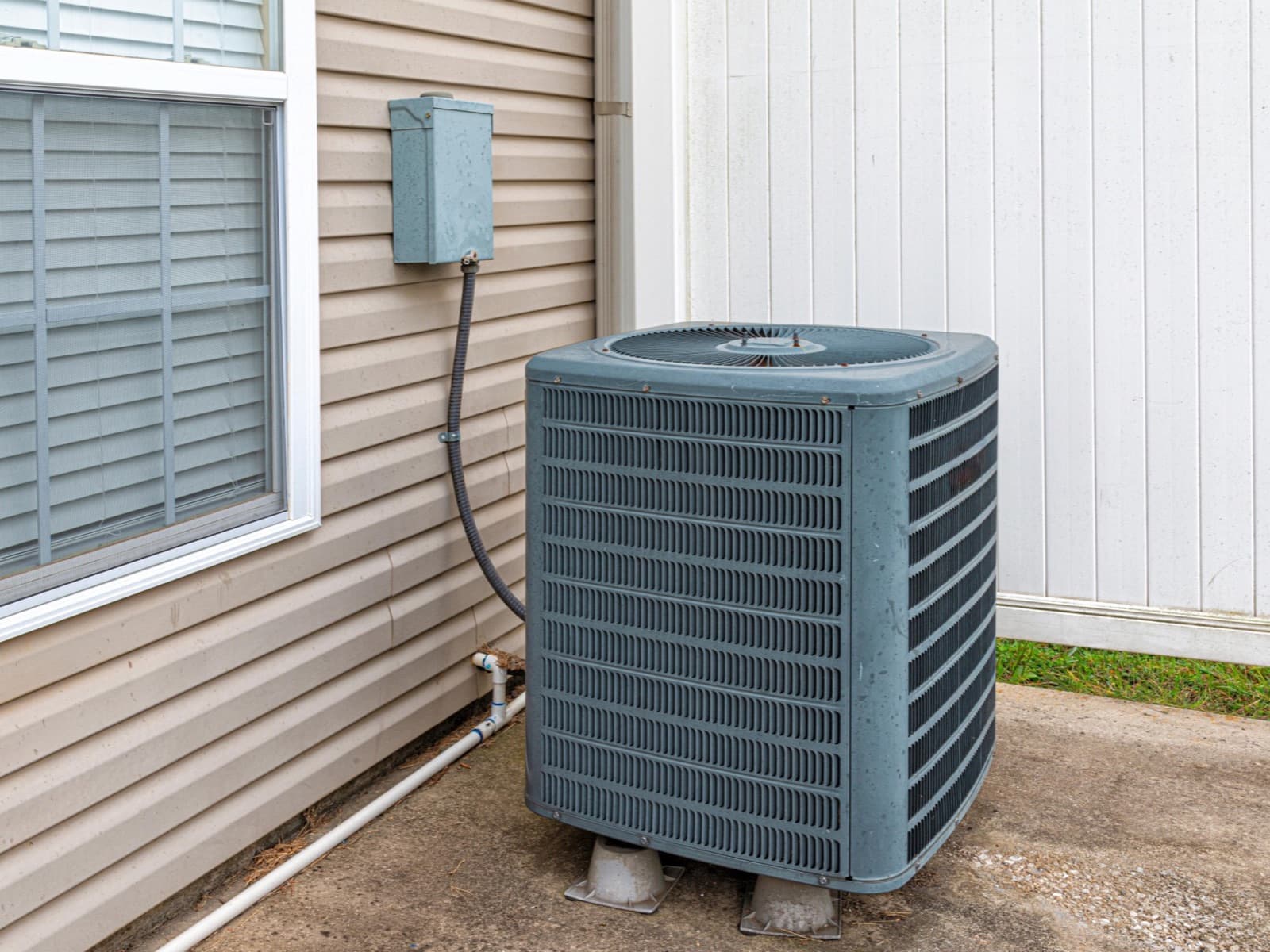
Heating and air conditioning disputes
You paid for a new system and the house still isn't comfortable.
Tell us what was installed and we'll take it from here.
What is still open on HVAC work?
10 ways to put pressure on the other side, and they do not all close at the same time. Tell us roughly when this started.
See which ones apply to you- Chargeback4 mo
- Financing unwind12 mo
- Manufacturer certification24 mo
- Insurance channel12 mo
- Surety bond24 mo
- Licensing board48 mo
- Small claims48 mo
- File a lawsuit48 mo
- Recovery fund24 mo
- Public recordno deadline
What does it cost to sort out HVAC work?
Most of what follows you can do yourself, and the parts that cost nothing are first for a reason.
Start free, today
A demand letter you can fill in, and a plain guide to small claims where you live. No account, no cost.
Finding out costs nothing
Tell us what happened and hear where you stand. If we do not think we can move the business, we say so.
One cost, paid once
Asked for after we have reviewed your file and shown you the figure, and before any work starts. Nothing after it.
We take no share
No percentage of what you get back. A recovery is paid to you by the business, and never passes through us.
The routes that bite hardest in HVAC.
Manufacturer certification
Equipment manufacturers run dealer programs and most extended warranties require registration and professional installation. An installer who skipped either has a problem with the manufacturer as well as with you.
Financing unwind
System replacements are frequently financed at the kitchen table, which can attach the installer's liability to the lender under the FTC Holder Rule.
Licensing board
HVAC is a licensed trade and the work usually needs a mechanical permit. A state board can review a license over a system that was never sized correctly.
Surety bond
A licensed contractor is usually bonded, and the bond pays out against them without needing their agreement.
Where HVAC work actually goes wrong.
The load calculation, if one was done
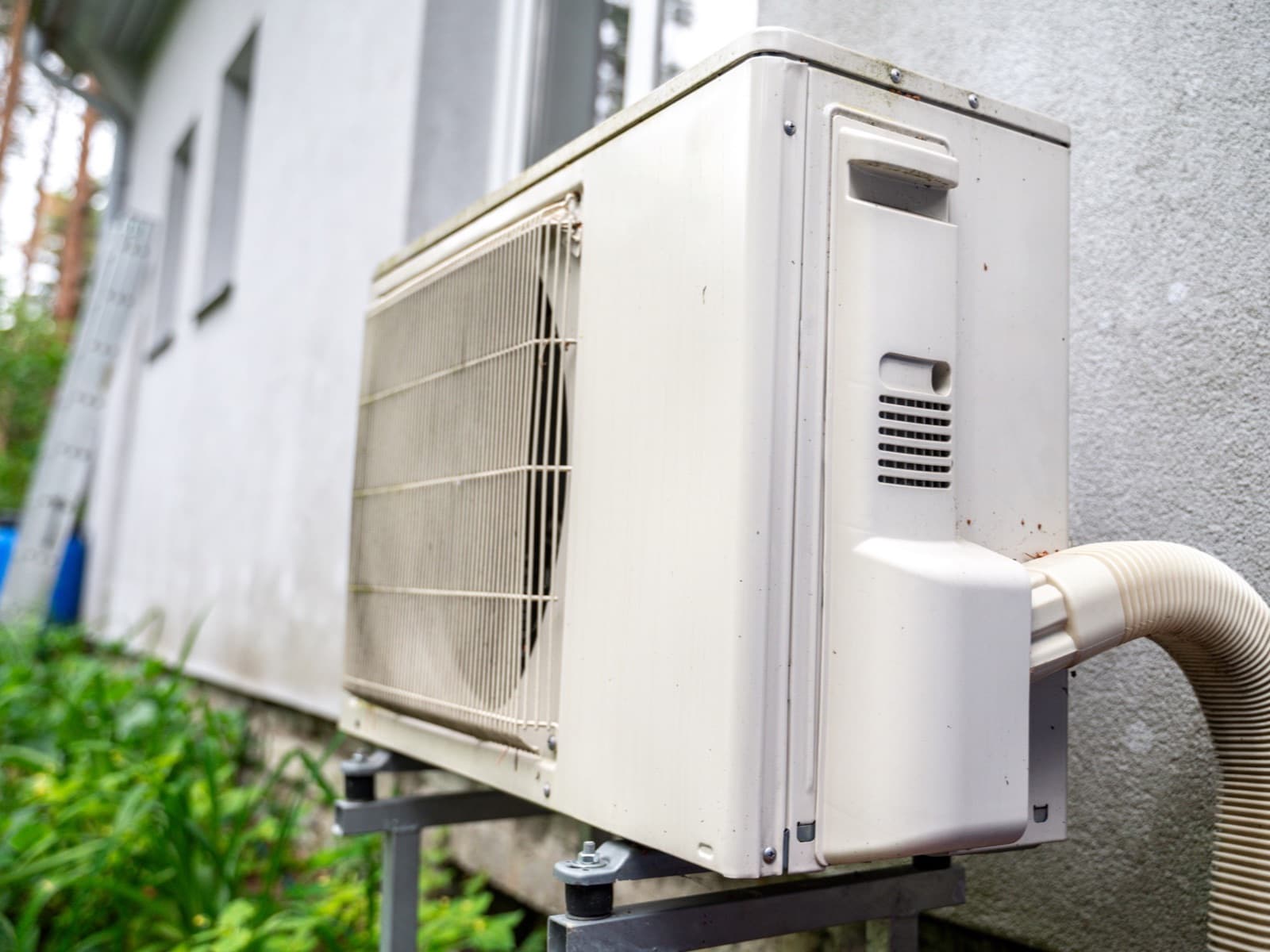
Correct sizing comes from a room-by-room heat load calculation. Replacing like for like off the old unit's label, or sizing by square footage, is faster and is how most undersized and oversized systems happen.
Undersized never keeps up; oversized short-cycles and dehumidifies badly. Both trace to a document that either exists or does not.
The ductwork it was connected to
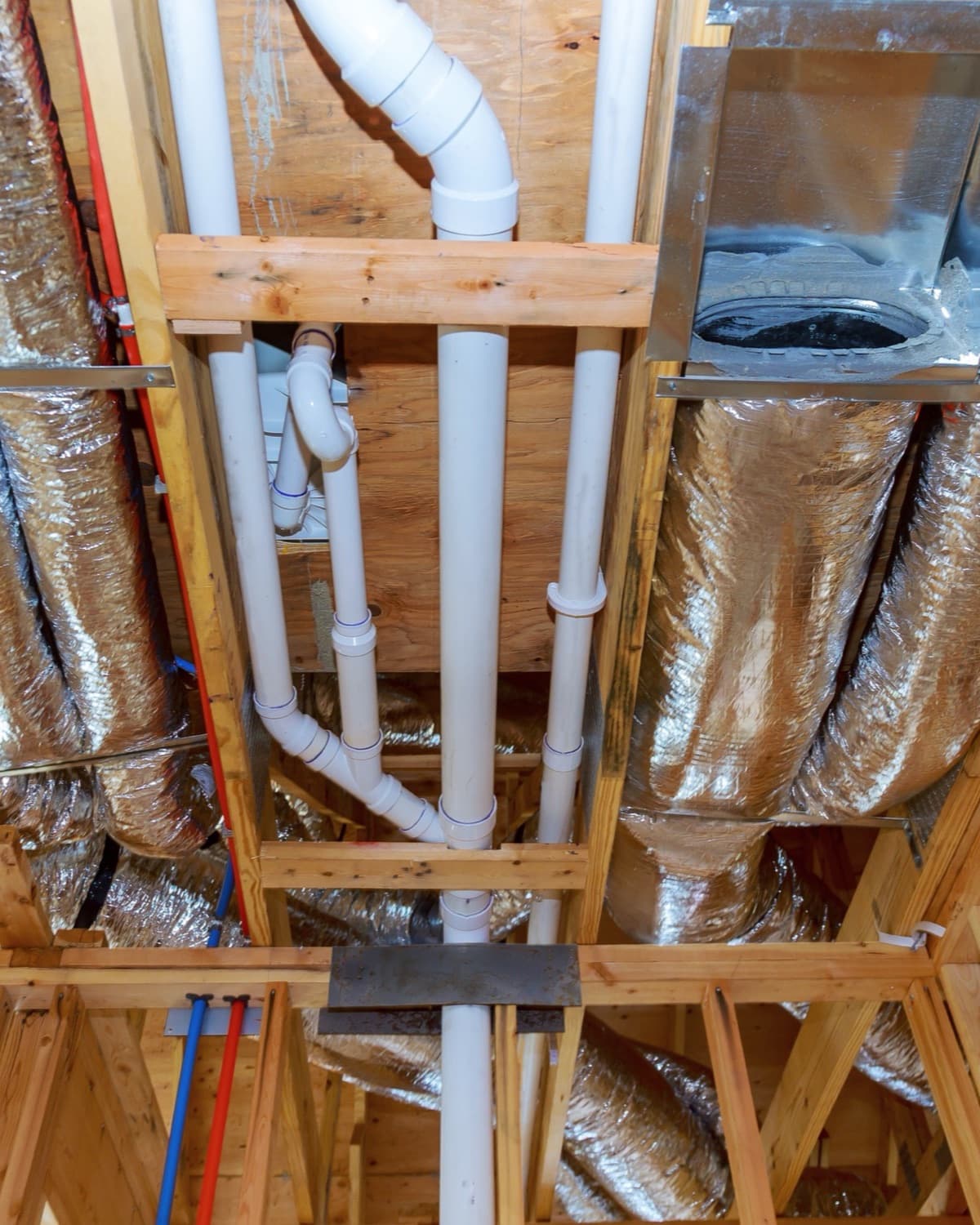
New equipment on old, leaking or undersized ducts cannot deliver what it is rated for. Ducts are rarely part of a replacement quote and are frequently the actual problem.
If the quote covered the equipment and the promise covered the comfort, the gap between those two is the dispute.
Refrigerant charge and airflow at commissioning
A system has to be charged and balanced on the day. Undercharged or overcharged equipment runs, cools something, and fails early.
Commissioning readings are supposed to be recorded. Their absence is itself informative about how the install was finished.
Warranty registration
Most manufacturers require registration within a window, often sixty to ninety days, or the extended term reverts to a short base warranty. It is the installer's job and it is invisible if skipped.
Checkable directly with the manufacturer using the serial number. You may be holding a warranty you were told you had and do not.
Repeat failures on one component
A part that fails twice in a season points at installation or diagnosis rather than at the part. Compressors and coils are the usual candidates.
Service records make the pattern visible, and the pattern is the argument. One failure is bad luck; the same failure twice is evidence.
The permit and the inspection
A mechanical permit is normally required for a replacement. Where one was pulled, an inspector looked at the install. Where none was pulled, that is its own issue.
The permit file is held by the county rather than by the contractor, which is what makes it worth asking for first.
The three we see most.
All of it, on HVAC workA system sized for the wrong house
Equipment that is undersized never keeps up and oversized equipment short-cycles. Both trace back to whether a proper load calculation was done, and often one wasn't.
Repeat failures on the same component
A part that fails twice in a season points at installation or diagnosis rather than the part. Service records are what make that pattern visible.
Manufacturer warranties voided by the installer
Most equipment warranties require registration and professional installation. An installer who skipped either can leave you holding a warranty that no longer applies.
What happens if you start today.
The same day
You send us the quote, the invoice, the equipment model and serial numbers, and any service visits since. Photographs of the label plate are enough.
Before we ask you for anything
We check the warranty registration with the manufacturer, pull the mechanical permit and inspection record, and check the license and bond.
Then you get a straight answer
Whether this is sizing, ductwork, commissioning or a bad part, which routes are open, and which one we would use first. Including when we do not think it is worth pursuing.
After that it is ours
The correspondence with the installer and the manufacturer, and the escalation, with the file kept up to date.
We'll have HVAC already selected.
Questions people ask us first.
The system runs. It just never gets there. Is that a dispute?
Yes, and it is the commonest one in this trade. A system that runs constantly and never reaches setpoint is usually a sizing or a ductwork problem, both of which are decisions somebody made and charged you for.
I have been told my warranty is void. Can I check that?
Yes, directly with the manufacturer using the serial number. Registration is normally the installer's responsibility, so if it was never done that is a fact about them rather than about you.
The installer keeps coming back and it keeps breaking. Does that count against them?
It helps you. Repeat visits create a service record, and a documented pattern of the same failure is a stronger argument than a single complaint.
No permit was pulled. Does that matter?
It generally matters against the contractor. Pulling it is usually their obligation, and its absence means no independent inspection ever looked at the work.
I financed it through the installer. Does that change anything?
It can improve your position. Where a sale is financed, the lender can inherit the seller's liability, and the lender is a company that is still collecting from you every month.
Are you a law firm?
No. We are a consumer advocacy service. We prepare and pursue your advocacy file and correspond with the business on your behalf. We do not represent you in court, and if your situation needs an attorney we tell you and hand off the materials.
Disclosures
- Satisfy is not a law firm and is not a licensed insurance adjuster or public adjuster. We prepare and pursue your file and correspond with the business on your behalf; a court filing or an insurance claim is made by you, or by an independent professional you engage, using the materials we assemble. We do not represent you in litigation, arbitration, or an insurance claim.
- The windows shown on this page are illustrative for the kind of dispute selected, measured from the work rather than from the dispute. They are an estimate and not a legal opinion. Yours depend on your contract, your policy, your card issuer's rules and your state's law, and some will already have closed. We do not guarantee that any route is still open to you.
- What goes wrong with HVAC work is described here in general terms. It is not an assessment of your own job and it is not technical advice about whether any particular work was done correctly.