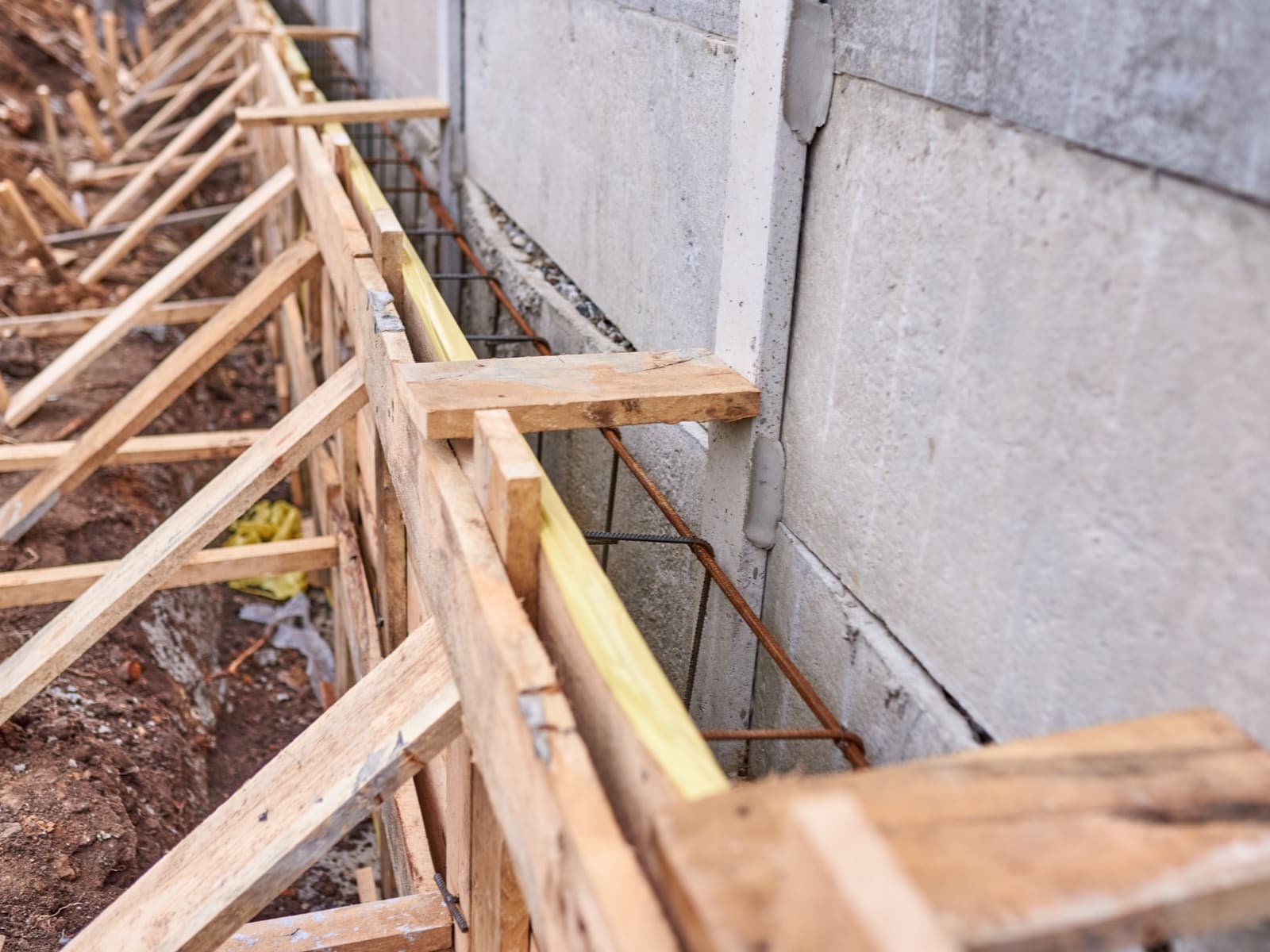
Foundation and waterproofing disputes
They sold you a dry basement and it still floods.
Tell us what was promised and we'll take it from here.
What is still open on foundation and waterproofing work?
10 ways to put pressure on the other side, and they do not all close at the same time. Tell us roughly when this started.
See which ones apply to you- Chargeback4 mo
- Financing unwind12 mo
- Manufacturer certification24 mo
- Insurance channel12 mo
- Surety bond24 mo
- Licensing board48 mo
- Small claims48 mo
- File a lawsuit48 mo
- Recovery fund24 mo
- Public recordno deadline
What does it cost to sort out foundation and waterproofing work?
Most of what follows you can do yourself, and the parts that cost nothing are first for a reason.
Start free, today
A demand letter you can fill in, and a plain guide to small claims where you live. No account, no cost.
Finding out costs nothing
Tell us what happened and hear where you stand. If we do not think we can move the business, we say so.
One cost, paid once
Asked for after we have reviewed your file and shown you the figure, and before any work starts. Nothing after it.
We take no share
No percentage of what you get back. A recovery is paid to you by the business, and never passes through us.
The routes that bite hardest in foundation & waterproofing.
Licensing board
Foundation work is licensed in most states and frequently needs an engineer's involvement. A board can review both the license and whether the design was ever signed off.
Surety bond
A license usually carries a bond, and the bond pays out against the company without needing their agreement. This trade has a high rate of companies dissolving and reforming.
Financing unwind
These jobs are large and are commonly financed at the kitchen table, which can attach the seller's liability to the lender under the FTC Holder Rule.
Public record
A lifetime warranty is a sales instrument in this trade, and its worth depends entirely on the entity behind it. The public record follows a company that reforms under a new name.
Where foundation and waterproofing work actually goes wrong.
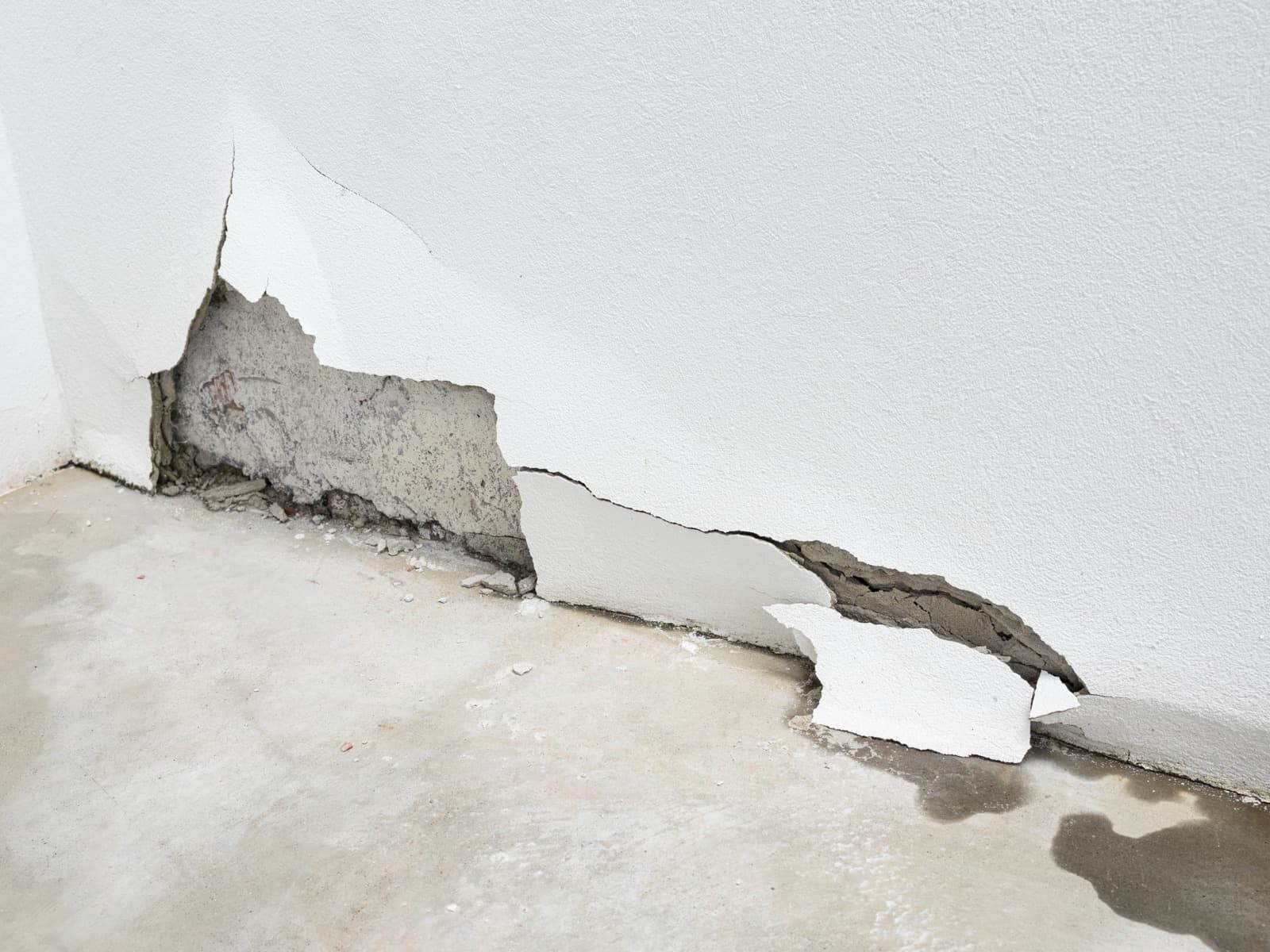
What was diagnosed before anything was sold
Water and movement have causes: grading, gutters, a failed drain, expansive soil, a plumbing leak. A system sold without establishing the cause treats the symptom at full price.
The proposal usually states a diagnosis. Whether that diagnosis was ever tested is a document question, and it decides whether the right thing was even installed.
Interior drainage versus stopping water
An interior system manages water that is already coming in and directs it to a pump. It is a legitimate product and it is not the same thing as a dry basement, which is frequently how it is sold.
The gap between what was said and what the product does is the dispute. What was said is often in a written proposal.
Pier depth, where piering was done
Piers have to reach load-bearing strata to carry anything. Stopping short is faster and cheaper and is invisible once the soil goes back.
Depth records and an engineer's sign-off are what separate a design problem from a workmanship one, and they either exist or they do not.
The engineer's report, if there was one
Structural repair normally wants an engineer specifying the fix and confirming it was done. Some companies use an in-house designer instead and never produce a stamped document.
An independent engineer has no stake in selling you the system, which is precisely what makes their absence significant.
The permit and inspection record
Underpinning and structural work generally need a permit. Where one exists an inspector looked at it; where none was pulled, that is its own issue.
Held by the county rather than by the contractor, which makes it the first thing worth asking for.
The warranty and who actually holds it
Lifetime and transferable warranties are standard here and are only worth the company behind them. Dissolving and reforming under a new name is a recognised pattern in this trade.
Whether the entity on your warranty still exists is a matter of public record, and so is whether its principals are trading as something else.
The three we see most.
All of it, on foundation and waterproofing workWater that returns after a sealed system
Interior drainage manages water; it doesn't stop it. Where the sale was made on the promise of a dry basement, the gap between what was said and what was installed is usually the dispute.
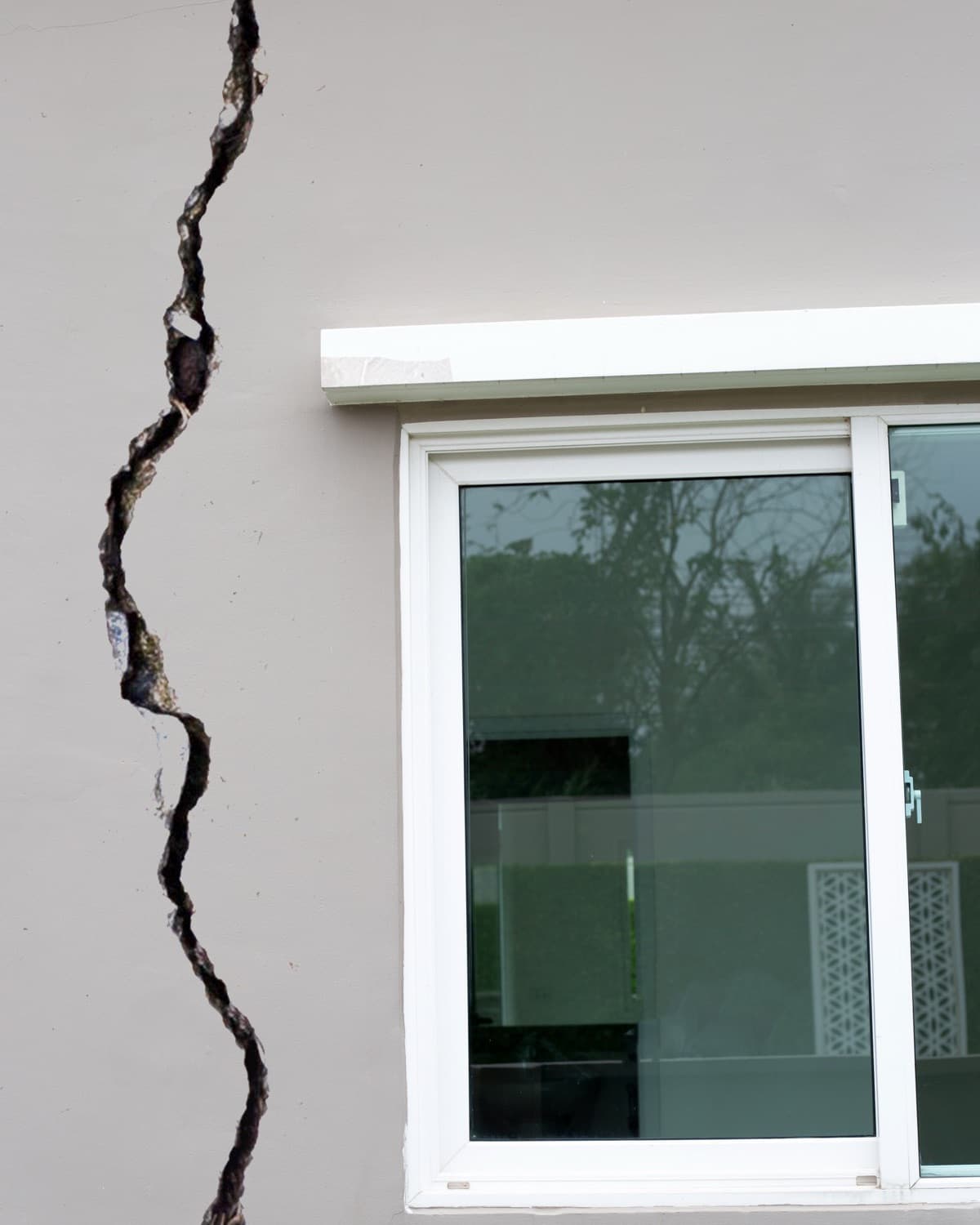
Movement that continues after piering
Piers have to reach load-bearing strata to do anything. Depth records and engineering sign-off are what separate a design problem from a workmanship one.
Warranties tied to a company that dissolved
Lifetime warranties in this trade are common and are only worth the entity behind them. A company that reformed under a new name is a frequent pattern.
What happens if you start today.
The same day
You send us the proposal, the contract, the warranty document and any engineer's report. Photographs of the water or the cracking help.
Before we ask you for anything
We pull the permit and inspection record, check the license and bond, and check whether the entity on your warranty still exists and who is behind it.
Then you get a straight answer
Whether this is a diagnosis problem, a design problem or a workmanship one, which routes are open, and which we would use first. Including when we do not think it is worth pursuing.
After that it is ours
The demands, the bond claim, the board complaint and the chasing, with the file kept up to date.
We'll have foundation & waterproofing already selected.
Questions people ask us first.
The company says water in a basement is normal. Is it?
Sometimes water is managed rather than eliminated, and that is a legitimate product. The question is what you were told you were buying, and that is usually in writing.
The company that gave me a lifetime warranty no longer exists. Is that the end of it?
Frequently not. A license bond, a state recovery fund and the licensing board survive a company closing, and if the principals are trading under a new name that is on the public record.
The movement carried on after the piers went in. Whose problem is that?
It turns on whether the design was wrong or the installation was, and pier depth records and an engineer's sign-off are what separate the two.
There was never an engineer involved. Does that matter?
It matters and it is worth establishing early. Structural repair specified by the company selling it is a different proposition from structural repair specified independently.
I financed the work through the company. Does that change anything?
It can help. Where a sale is financed the lender can inherit the seller's liability, and the lender is still collecting from you every month.
Are you a law firm?
No. We are a consumer advocacy service. We prepare and pursue your advocacy file and correspond with the business on your behalf. We do not represent you in court, and if your situation needs an attorney we tell you and hand off the materials.
Disclosures
- Satisfy is not a law firm and is not a licensed insurance adjuster or public adjuster. We prepare and pursue your file and correspond with the business on your behalf; a court filing or an insurance claim is made by you, or by an independent professional you engage, using the materials we assemble. We do not represent you in litigation, arbitration, or an insurance claim.
- The windows shown on this page are illustrative for the kind of dispute selected, measured from the work rather than from the dispute. They are an estimate and not a legal opinion. Yours depend on your contract, your policy, your card issuer's rules and your state's law, and some will already have closed. We do not guarantee that any route is still open to you.
- What goes wrong with foundation and waterproofing work is described here in general terms. It is not an assessment of your own job and it is not technical advice about whether any particular work was done correctly.