
Diminished value claims
The repair was paid for and your car is still worth less.
Tell us what happened to the car and we'll take it from here.
What is still open on a diminished value claim?
10 ways to put pressure on the other side, and they do not all close at the same time. Tell us roughly when this started.
See which ones apply to you- Chargeback4 mo
- Financing unwind12 mo
- Manufacturer certification24 mo
- Insurance channel12 mo
- Surety bond24 mo
- Licensing board48 mo
- Small claims48 mo
- File a lawsuit48 mo
- Recovery fund24 mo
- Public recordno deadline
What does it cost to sort out a diminished value claim?
Most of what follows you can do yourself, and the parts that cost nothing are first for a reason.
Start free, today
A demand letter you can fill in, and a plain guide to small claims where you live. No account, no cost.
Finding out costs nothing
Tell us what happened and hear where you stand. If we do not think we can move the business, we say so.
One cost, paid once
Asked for after we have reviewed your file and shown you the figure, and before any work starts. Nothing after it.
We take no share
No percentage of what you get back. A recovery is paid to you by the business, and never passes through us.
The routes that bite hardest in diminished value.
Insurance channel1
Every state has an insurance regulator that takes complaints about claim handling, and a file that a regulator has read is handled differently from one nobody has escalated.
Small claims
Diminished value claims are often sized exactly for small claims court, where the process is designed to work without an attorney and the cost of defending exceeds the claim.
Public record
Claim handling complaints go on a public record that regulators publish and aggregate. It has no deadline, and it is the route that stays open longest.
Where a diminished value claim actually goes wrong.
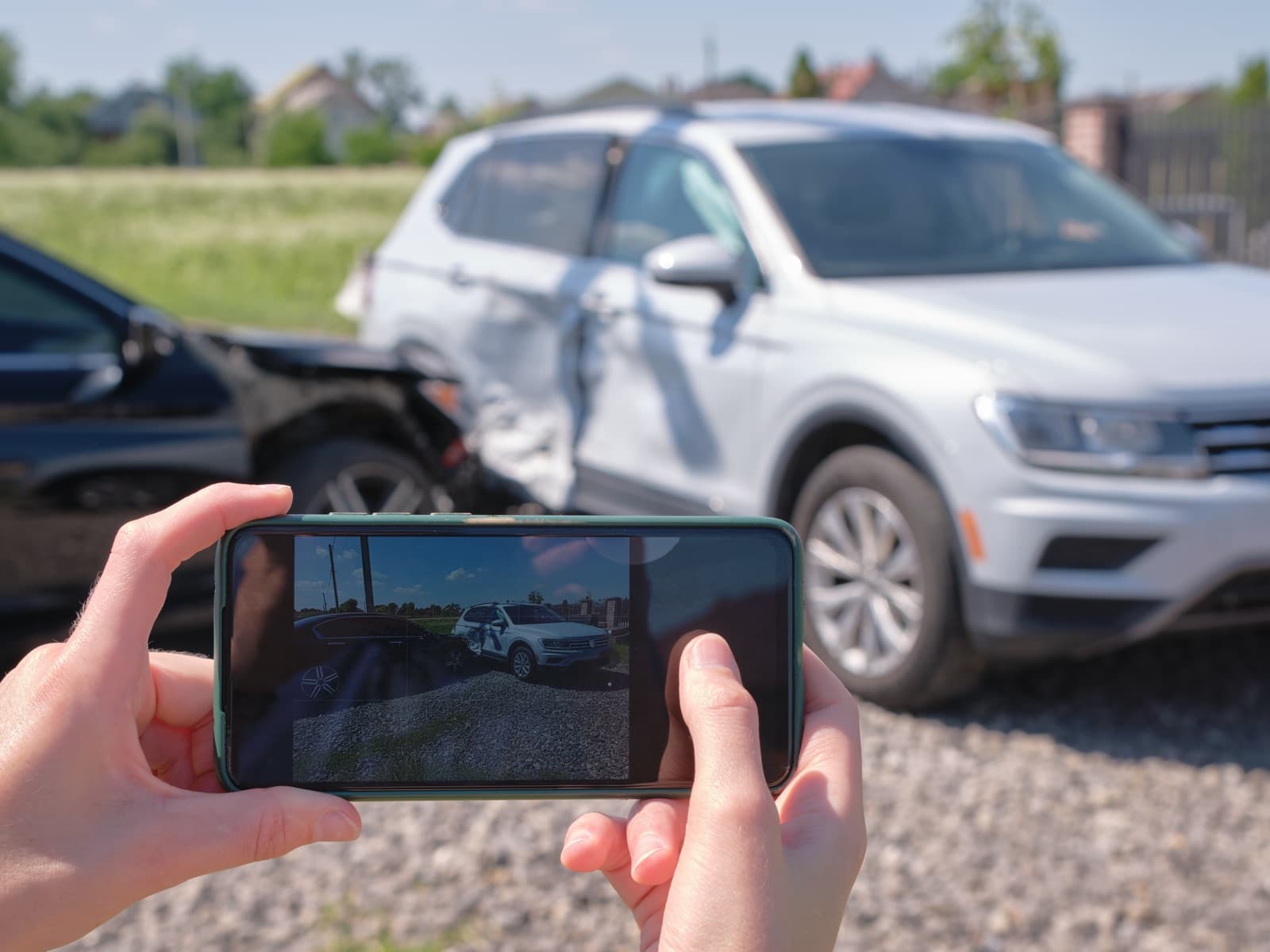
The accident on the vehicle history
A reported claim appears on the history report buyers and dealers check. Two otherwise identical cars, one with a record, do not sell for the same money.
This is inherent diminished value and it exists even where the repair was flawless. It is a market fact rather than a repair defect.
The repair itself
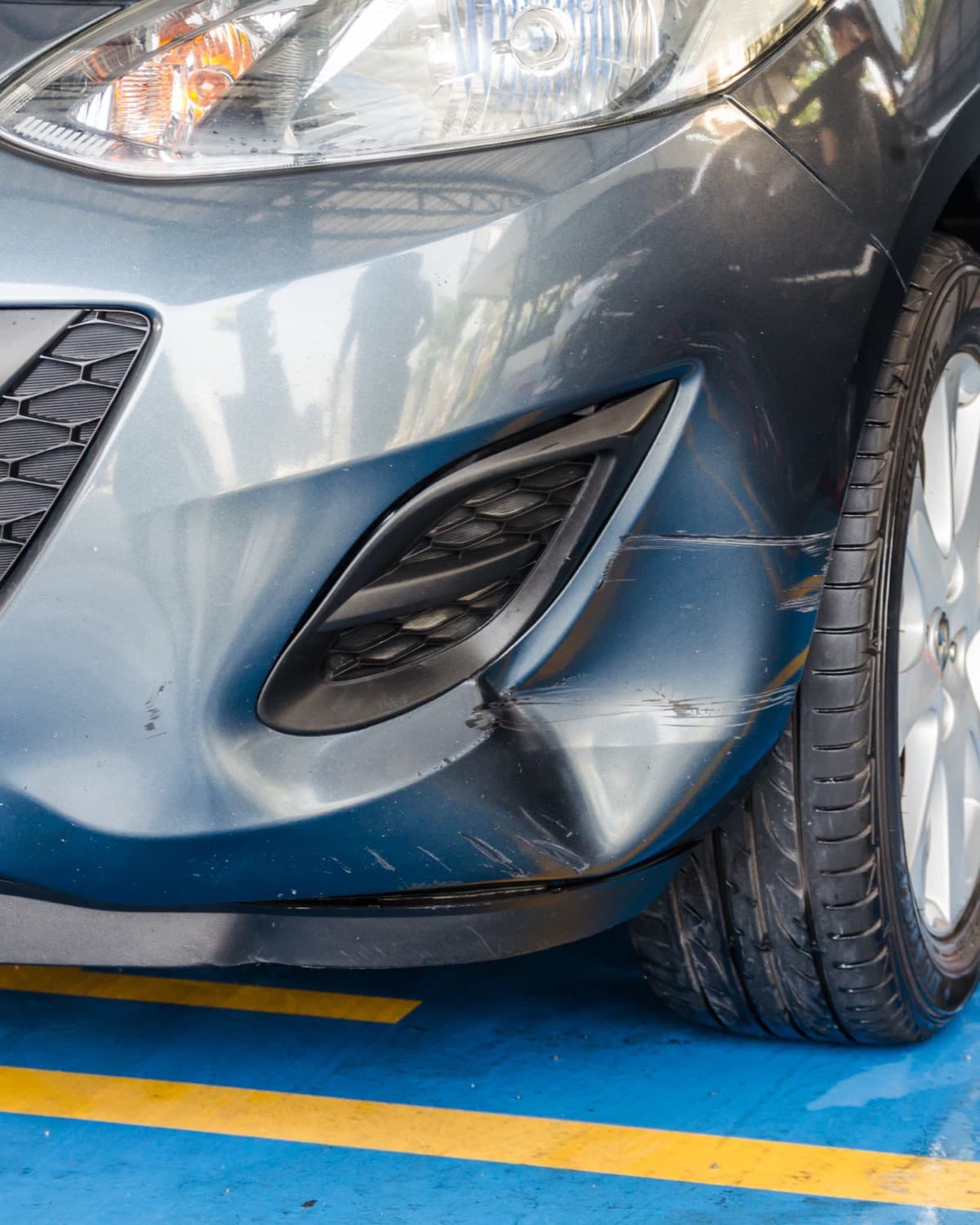
Panel gaps, mismatched paint, non-original parts and repaired rather than replaced structural components all reduce value further, and some are a safety question as well.
Repair-related loss stacks on top of the inherent loss, and the estimate and parts invoices say which parts were used.
The comparables behind their number
An insurer's diminished value figure is built from a method and a set of comparable sales they selected. Trim, mileage, options and local market all move it.
A first offer is a starting position rather than a valuation. What the vehicle actually lost is answered with comparable sales, and anybody can produce those.
Which formula was applied
Several methods are in circulation, and some cap the loss at a fixed share of the pre-loss value regardless of the actual market gap. A cap is a convention, not a measurement.
If a formula produced the number, the formula is a document. Whether it reflects your market is a question that can be answered with evidence.
Who owes you, and under which policy
Whether you claim against the at-fault driver's insurer or your own changes the basis entirely, and in some states first-party diminished value is not recoverable at all.
Getting this the right way round at the start decides whether there is a claim to make, and it is the first thing worth establishing.
The evidence of the loss itself
A dealer's written trade-in appraisal, a documented offer that dropped after the history report, or an independent appraisal all convert an argument into a number.
A written third-party figure is the difference between asserting a loss and demonstrating one.
The three we see most.
All of it, on a diminished value claimInherent diminished value
Even a flawless repair leaves a record. Two identical cars, one with an accident on file, do not sell for the same money, and that gap is a real loss.
Repair-related diminished value
Where the repair itself fell short - panel gaps, mismatched paint, non-original parts - the loss compounds, and it is a safety question as well as a value one.
First offers that don't reflect the market
An insurer's opening diminished value figure is a starting position. What the vehicle actually lost is an evidence question, answered with comparable sales rather than a formula.
What happens if you start today.
The same day
You send us the claim number, the repair estimate and final invoice, the history report if you have it, and any written valuation or trade-in offer.
Before we ask you for anything
We look at how their figure was built, which comparables it used, and what the market says about your trim and mileage locally.
Then you get a straight answer
Whether your state allows the claim, what the gap actually looks like, and what we would do about it. Including when we do not think it is worth pursuing.
After that it is ours
The demand, the evidence pack, the correspondence and the regulator escalation, with the file kept up to date.
We'll have diminished value already selected.
Questions people ask us first.
The repair was done properly. Do I still have a claim?
Frequently yes. Inherent diminished value is the loss caused by the accident being on the record at all, and it exists independently of how well the car was put back together.
The insurer offered a figure already. Is that it?
A first offer is a starting position. It was produced by a method and a set of comparables somebody chose, and both are open to being answered with evidence.
Do I claim against my own insurer or the other driver's?
Usually the at-fault driver's, and in some states first-party diminished value is not recoverable at all. Establishing which applies to you comes first because it decides everything else.
How is the loss actually proved?
With comparable sales, a written dealer appraisal, or an independent appraisal. A third-party figure in writing is what turns an argument into a number.
My claim is only a few thousand dollars. Is it worth pursuing?
That size of claim is often the easiest to pursue, because it sits inside small claims limits where the cost of defending it exceeds the amount at stake.
Are you a law firm?
No. We are a consumer advocacy service, and we are not licensed insurance adjusters. We prepare and pursue your advocacy file and correspond on your behalf. We do not represent you in court or in an insurance claim, and if your situation needs an attorney we tell you and hand off the materials.
Disclosures
- 1.Satisfy is not a law firm and is not a licensed insurance adjuster or public adjuster. We prepare and pursue your file and correspond with the business on your behalf; a court filing or an insurance claim is made by you, or by an independent professional you engage, using the materials we assemble. We do not represent you in litigation, arbitration, or an insurance claim.
- The windows shown on this page are illustrative for the kind of dispute selected, measured from the work rather than from the dispute. They are an estimate and not a legal opinion. Yours depend on your contract, your policy, your card issuer's rules and your state's law, and some will already have closed. We do not guarantee that any route is still open to you.
- What goes wrong with a diminished value claim is described here in general terms. It is not an assessment of your own job and it is not technical advice about whether any particular work was done correctly.