
Skip to content
Satisfy
Satisfy

Common problems with a home renovation

What tends to go wrong, what it usually points at, and what your options are when a contractor won't put them right.

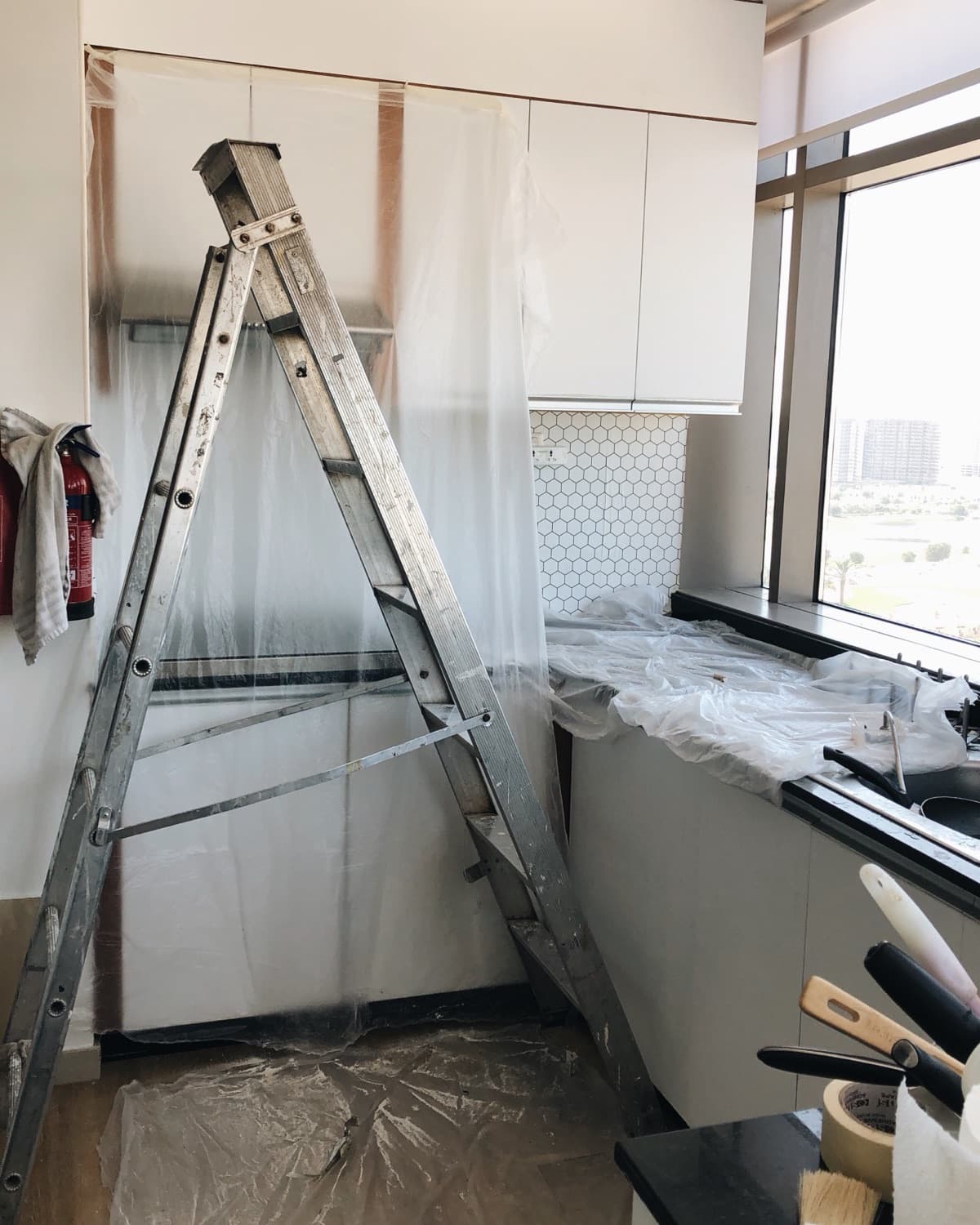
A project abandoned mid-build

Deposit spent, work partly done, and a contractor who stops responding. Every additional trade that has to work around unfinished work costs more than it would have originally.

What proves it
The payment record against the completed scope, and the dated messages where contact stopped. A percentage paid against a percentage built is the clearest number in a construction argument.
What the business usually says
That they intend to return. Intent is answerable with a date in writing, and the absence of one after a written request is itself part of the record.
Change orders that were never approved

Extras appearing on a final invoice that were never agreed in writing, or agreed verbally and then priced differently.

What proves it
The original contract sum against the invoiced sum, and whatever authorization exists for the difference. If a change was authorized there is a signature, an email or a text.
What the business usually says
That you asked for it on site. Then it will be somewhere: a message, a note, a photograph of a scribbled sheet. If it exists nowhere, the contract sum is the agreement.

Work that fails inspection

Where a permit was required, a failed inspection is documentation of the problem. Where a permit was never pulled at all, that's frequently its own issue.

What proves it
The inspection result itself. A failed inspection is a third party, with no interest in the argument, writing down that the work does not meet code.
What the business usually says
That the inspector is being difficult, or that it is a paperwork issue. Both are answered by the corrected re-inspection, or by its absence.

Before you do anything else

What to gather

  • The signed contract and the agreed scope of work
  • Every invoice and proof of payment, with dates
  • All change orders, and messages about changes nobody documented
  • Permits and every inspection result, passed or failed
  • Dated photographs of the work at each stage
  • The full message history with the contractor

The part nobody tells you

Some of this expires

Most ways of putting pressure on a business run on a clock that starts at the work, not at the argument. These are the ones that shut first.

Chargeback
About 4 months. Your bank reverses the payment.
Financing unwind
About 12 months. The lender wears the claim, not you.
Manufacturer certification
About 24 months. Their certification goes under review.
Surety bond
About 24 months. The bond pays out against them.

See where you are on the clock for all ten routes.

What to do about it

Document what you were promised and what you got, keep every invoice and message, and photograph everything before anyone “fixes” it. Whatever route you take from there, whether talking to the business yourself, a licensed attorney, or us, the case rests on that record.

What this page covers

We're a consumer advocate, not a law firm, and this page is general information rather than guidance about your situation. It is here so you can recognize your own case in it and see what usually moves one. If yours needs an attorney, we say so and hand off, taking nothing for the introduction.

More on general contractor disputes we take on, or how the process works.

Dealing with one of these?

Tell us what happened and we'll tell you whether it's something we can help with.