Skip to content
Satisfy
Satisfy

Common problems with roofing work

What tends to go wrong, what it usually points at, and what your options are when a contractor won't put them right.

Leaks that appear after a full replacement

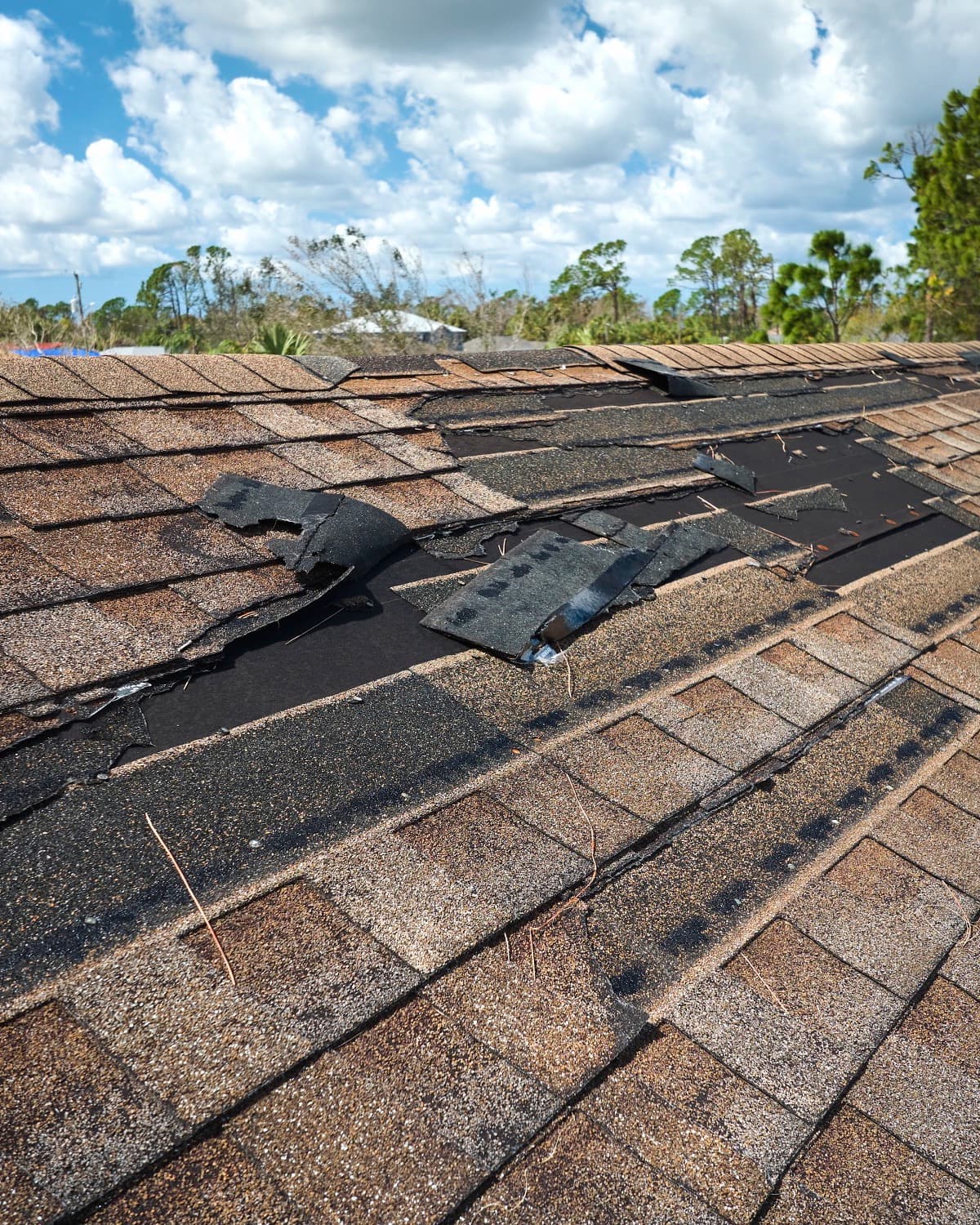
A new roof that leaks usually points at how it was installed rather than the materials themselves. Flashing around chimneys, valleys, and vents is where water most often gets in, and it's also the part most likely to be rushed.

What proves it
Photographs taken inside the attic during or just after rain, showing where water enters, plus the contract's flashing line. Flashing is itemized on most roofing contracts, so what was paid for is written down.
What the business usually says
The usual answer is that the leak is somewhere else, or that the roof is fine and the problem is the chimney. Both are testable: an independent roofer's written inspection names the entry point, and that report is the document that ends the conversation.
Work billed as complete that isn't

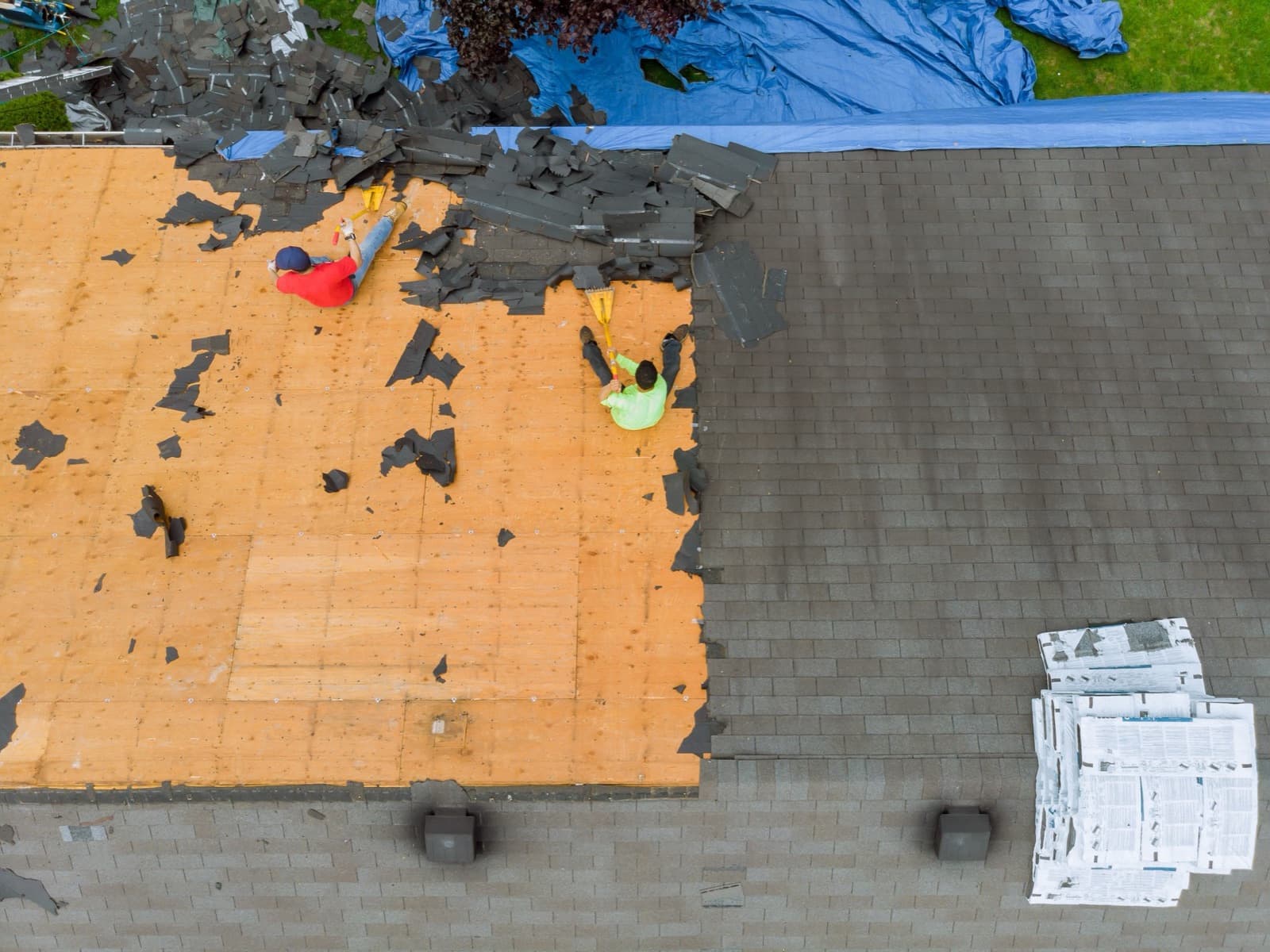
Underlayment skipped, old shingles left underneath, or decking that was supposed to be replaced and wasn't. These are hard to see from the ground and easy to invoice for.

What proves it
The estimate or contract against what is actually on the roof. Underlayment, decking sheets and a tear-off are all line items with quantities, so this is arithmetic rather than opinion.
What the business usually says
That the scope changed on site. A scope change is a change order, and a change order is a document. If nobody can produce one, the contract is still the agreement.

A workmanship warranty nobody honors

Manufacturer warranties cover materials. The workmanship warranty, the one that matters when the install is the problem, comes from the contractor, and it's only worth what they're willing to stand behind.

What proves it
The written warranty itself, and the dated record of every attempt to use it. A warranty that is only ever spoken about is the one most often disputed later.
What the business usually says
That the warranty covers materials, which the manufacturer already covers, or that the term has expired. Read who issues it: a workmanship warranty comes from the contractor, and its start date is on the completion paperwork.

Before you do anything else

What to gather

  • The signed contract and every estimate, including superseded ones
  • All change orders, and a note of any change nobody documented
  • The manufacturer's warranty registration and the contractor's own workmanship warranty
  • Attic photographs during rain, dated
  • An independent roofer's written inspection
  • The permit and any inspection results from your building department

The part nobody tells you

Some of this expires

Most ways of putting pressure on a business run on a clock that starts at the work, not at the argument. These are the ones that shut first.

Chargeback
About 4 months. Your bank reverses the payment.
Financing unwind
About 12 months. The lender wears the claim, not you.
Manufacturer certification
About 24 months. Their certification goes under review.
Surety bond
About 24 months. The bond pays out against them.

See where you are on the clock for all ten routes.

What to do about it

Document what you were promised and what you got, keep every invoice and message, and photograph everything before anyone “fixes” it. Whatever route you take from there, whether talking to the business yourself, a licensed attorney, or us, the case rests on that record.

What this page covers

We're a consumer advocate, not a law firm, and this page is general information rather than guidance about your situation. It is here so you can recognize your own case in it and see what usually moves one. If yours needs an attorney, we say so and hand off, taking nothing for the introduction.

More on roofing disputes we take on, or how the process works.

Dealing with one of these?

Tell us what happened and we'll tell you whether it's something we can help with.