Skip to content
Satisfy
Satisfy

Common problems with window and siding work

What tends to go wrong, what it usually points at, and what your options are when a contractor won't put them right.

Leaks at new window openings

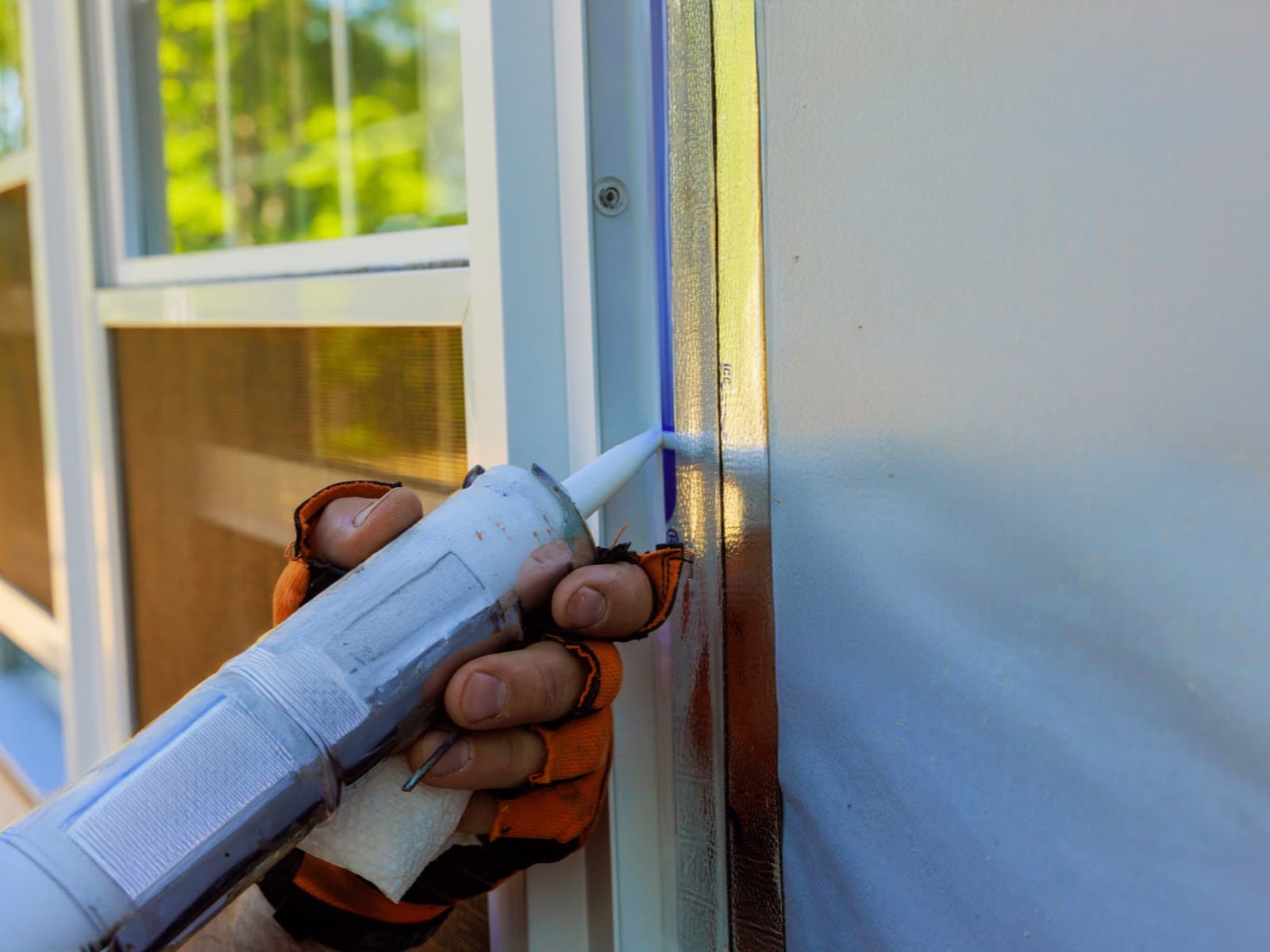
Flashing and sealing at the opening is where almost all of these originate. It is also invisible once trim goes on, which is why photographs during installation matter so much.

What proves it
Photographs of the opening before the trim went on, if any exist, and a water test performed by an independent installer. Flashing and sealing are hidden within a day of the work, which is why the before photographs matter so much here.
What the business usually says
That the windows themselves are defective. The manufacturer will inspect and say so, and if the product is sound the remaining variable is the installation.
Siding installed over unrepaired sheathing

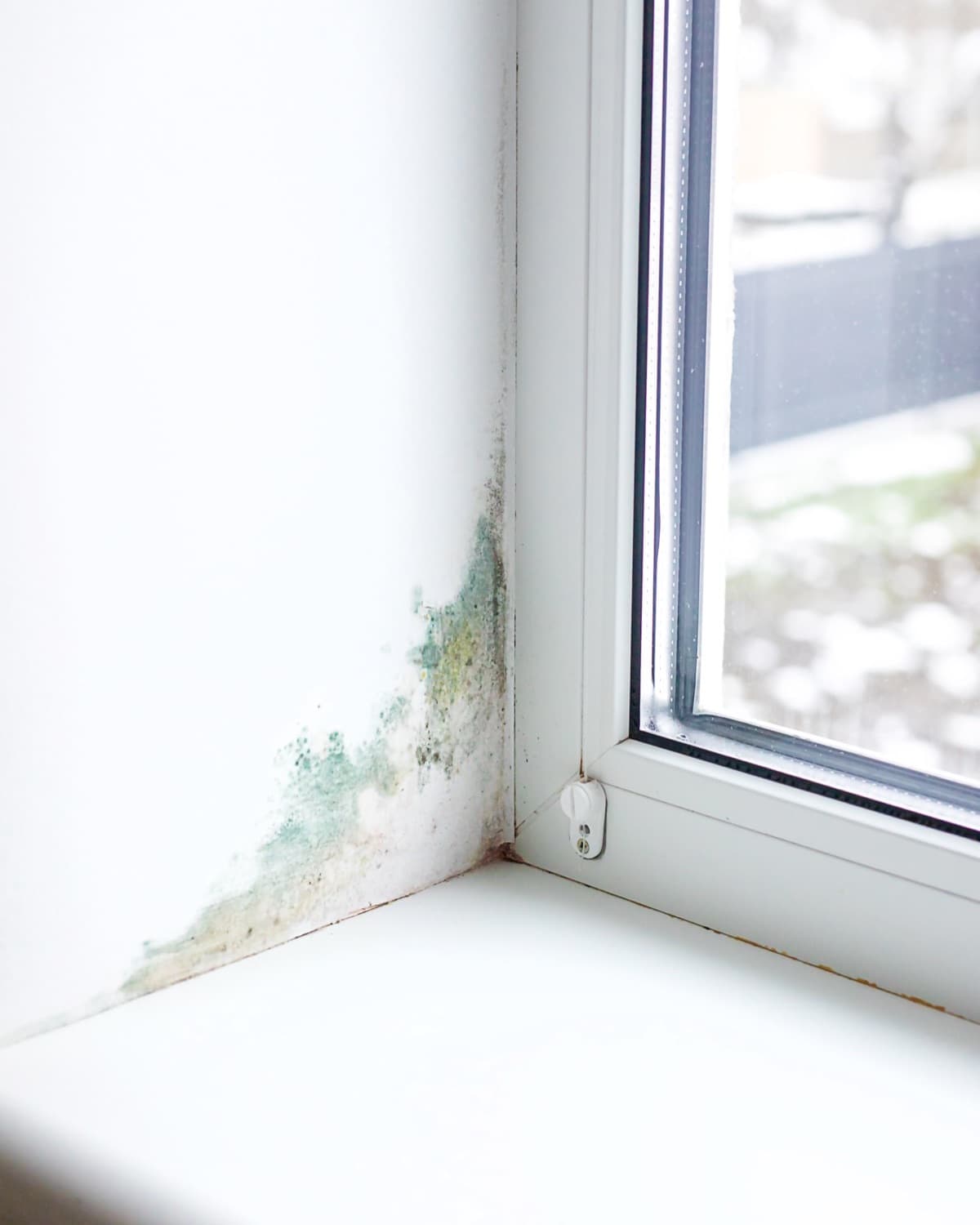
Covering rot rather than replacing it is faster, cheaper, and undetectable until the damage spreads. Tear-off photos are usually the only evidence.

What proves it
The contract's line for sheathing repair against what was billed, and a single removed panel showing what is underneath. One panel settles it.
What the business usually says
That the sheathing was sound. It is behind the siding, so this is checkable rather than arguable, and the check is small.

Substituted product lines

Order confirmations and product labels are what make this provable. A different line in the same color is the substitution most likely to go unnoticed.

What proves it
The contract's named product against the labels, stampings or manufacturer markings on what was installed. Windows and siding carry identifying marks.
What the business usually says
That the substitute is equivalent or better. Both products have published specifications, and equivalence is a comparison anyone can make once the two are named.

Before you do anything else

What to gather

  • The signed contract naming the product line and model
  • Photographs during installation, before trim and siding went on
  • The manufacturer labels or stampings on what was installed
  • Any manufacturer inspection report
  • Permits and inspection results
  • Invoices showing what was billed for sheathing or substrate repair

The part nobody tells you

Some of this expires

Most ways of putting pressure on a business run on a clock that starts at the work, not at the argument. These are the ones that shut first.

Chargeback
About 4 months. Your bank reverses the payment.
Financing unwind
About 12 months. The lender wears the claim, not you.
Manufacturer certification
About 24 months. Their certification goes under review.
Surety bond
About 24 months. The bond pays out against them.

See where you are on the clock for all ten routes.

What to do about it

Document what you were promised and what you got, keep every invoice and message, and photograph everything before anyone “fixes” it. Whatever route you take from there, whether talking to the business yourself, a licensed attorney, or us, the case rests on that record.

What this page covers

We're a consumer advocate, not a law firm, and this page is general information rather than guidance about your situation. It is here so you can recognize your own case in it and see what usually moves one. If yours needs an attorney, we say so and hand off, taking nothing for the introduction.

More on windows, siding, and exterior remodeling disputes we take on, or how the process works.

Dealing with one of these?

Tell us what happened and we'll tell you whether it's something we can help with.